

Resilience Method Resources
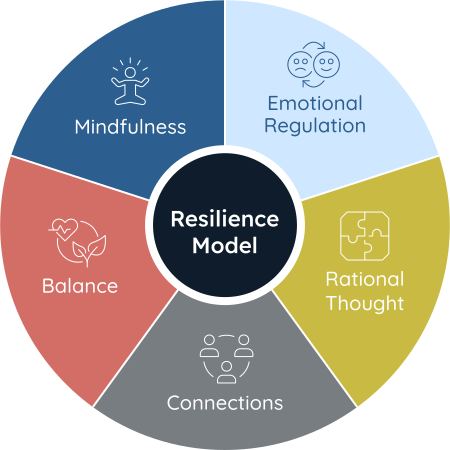
Brain-Based and Evidence-Based Treatment for Long-Term Mental Health
Brain-Based Treatment for Anxiety, Trauma, and Depression
- Cognitive Behavioral Therapy (CBT)
- Dialectical Behavior Therapy (DBT)
- EMDR for trauma processing
- Skills-based group therapy
Rational Thought: Rewiring Anxious and Depressive Thinking
- Identify distorted or fear-based thought patterns
- Challenge negative core beliefs
- Develop healthier, reality-based thinking
- Replace reactivity with intentional response
Problem-Solving Skills for Depression and Emotional Overwhelm
- Break overwhelming situations into manageable steps
- Reduce avoidance and procrastination
- Build confidence in your ability to handle stress
- Regain a sense of control over your life
Mindfulness and Emotional Regulation for Anxiety and PTSD
- Calm the nervous system
- Reduce panic and emotional spikes
- Increase distress tolerance
- Stay present instead of stuck in the past or worried about the future
Healing Trauma and Strengthening Relationships Through Connection
- Healthy communication
- Boundary setting
- Interpersonal effectiveness
- Reduced shame and isolation
Restoring Emotional Balance and Stability
- Rebuild healthy routines
- Improve sleep and daily rhythms
- Create sustainable coping strategies
- Strengthen your lifestyle habits that support emotional stability
Proven Results for Anxiety, Trauma, and Depression Recovery
- Significant reductions in anxiety and depression symptoms
- Improved emotional regulation within 6–8 weeks
- Reduced crisis episodes and hospitalizations
- Stronger coping skills
- Healthier relationships
- Improved daily functioning
If You’re Seeking Treatment for Yourself or Someone You Love
- “Is this severe enough for structured treatment?”
- “What if nothing has worked before?”
- “How do I know this will help?”
Start Building Resilience Today
F.A.Q.
The Resilience Method is a brain-based, evidence-driven treatment model used at Anxiety, Trauma & Depression Treatment Centers to treat anxiety disorders, PTSD, trauma, and depressive disorders. It integrates Cognitive Behavioral Therapy (CBT), Dialectical Behavior Therapy (DBT), EMDR, and structured skills training to help patients regulate emotions, stabilize mood, and build long-term resilience. This method is delivered within our Intensive Outpatient (IOP) programs for measurable, lasting results.
The Resilience Method helps treat anxiety by targeting distorted thought patterns, nervous system dysregulation, and avoidance behaviors. Through CBT and DBT-based skills, patients learn to challenge catastrophic thinking, regulate panic responses, and build distress tolerance. At Anxiety, Trauma & Depression Treatment Centers, this structured approach reduces anxiety symptoms while teaching lifelong coping skills.
Yes. The Resilience Method integrates trauma-informed care and EMDR to directly address the neurological impact of trauma. EMDR helps process traumatic memories safely, while DBT and mindfulness techniques regulate emotional reactivity. Patients at Anxiety, Trauma & Depression Treatment Centers often experience reduced flashbacks, improved emotional stability, and greater daily functioning within weeks of structured treatment.
Absolutely. Depression often involves negative thinking patterns, low motivation, and emotional withdrawal. The Resilience Method addresses these symptoms through CBT-based cognitive restructuring, problem-solving training, and structured daily engagement. Many patients in our IOP programs show significant improvement in mood, energy, and functioning within 6–8 weeks.
- Cognitive Behavioral Therapy (CBT)
- Dialectical Behavior Therapy (DBT)
- EMDR for trauma processing
- Mindfulness training
- Emotional regulation skills
- Structured group therapy
- Psychiatric support when appropriate
This integrated approach ensures comprehensive treatment for anxiety, trauma, and depression.
Weekly therapy may not provide enough structure for moderate to severe anxiety, trauma, or depression. The Resilience Method is delivered in a structured IOP setting, offering multiple therapy sessions per week, consistent skills practice, and clinical oversight. This higher level of care accelerates symptom reduction and prevents crisis escalation.
While every individual is different, many patients at Anxiety, Trauma & Depression Treatment Centers report measurable reductions in anxiety and depression symptoms within 6–8 weeks of structured treatment. Improvements in emotional regulation, coping skills, and relationship stability often occur even sooner due to the intensity and consistency of care.
Yes. The Resilience Method is built on scientifically validated therapies, including CBT, DBT, and EMDR, all recognized as gold-standard treatments for anxiety disorders, PTSD, and depressive disorders. By combining neuroscience research with structured therapeutic interventions, Anxiety, Trauma & Depression Treatment Centers provide clinically proven care.
- Feel overwhelmed by anxiety or panic
- Experience trauma symptoms or PTSD
- Struggle with persistent depression
- Have not improved with weekly therapy alone
- Need structured support but do not require inpatient hospitalization
- Proven step down after hospitalization
Getting started is simple. Contact Anxiety, Trauma & Depression Treatment Centers to schedule a confidential assessment. Our clinical team will determine whether our Intensive Outpatient Program (IOP), using the Resilience Method, is the right fit for you or your loved one. Early intervention significantly improves long-term recovery outcomes.